
What If the Future You’re Imagining Isn’t as Unrealistic as You Think?
Midlife often begins with a question rather than a decision. Discover why possibility, perspective and regret can help shape your next chapter.
Midlife often begins with a question rather than a decision. Discover why possibility, perspective and regret can help shape your next chapter.

There are moments when something unexpectedly changes the way we see our lives.
Not because anything has happened.
But because our perspective shifts.
That happened to me recently while visiting The House of Dreamers, an immersive exhibition in London. One of the installations was an upside-down kitchen.
Nothing in the room had changed.
Yet everything looked different.
As I walked away, I found myself wondering how often that’s true of our own lives.
Perhaps the possibilities available to us aren’t always new.
Perhaps we’re simply seeing them differently.
Midlife changes the questions
I was reminded of that thought again while spending a lovely day with Savitri in her new home in a Kent coastal town.
When she came to one of the Third Chapter one day immersives, she was wondering whether she wanted to leave London and live by the sea.
It wasn’t a plan.
It was simply a possibility.
Today, it’s her everyday life.
Watching someone settle into a life that once existed only as an idea reminded me of something I see regularly in my coaching work.
People often assume that midlife is about making big decisions.
Changing careers.
Moving house.
Starting a business.
Retiring.
Sometimes it is.
More often, though, it begins with better questions.
What do I want now?
What matters most?
If I weren’t living according to old expectations, what might I choose instead?
Those questions rarely demand immediate answers.
But they have a habit of changing us.
Change begins before we notice it
We often think change starts with action.
The resignation letter.
The house move.
The launch of a new business.
In reality, change usually begins much earlier.
It starts when we give ourselves permission to imagine that life could be different.
Long before anyone else notices, something has already shifted.
We’re paying attention to ideas we once dismissed.
We’re becoming curious about possibilities we hadn’t allowed ourselves to consider.
The external change simply catches up later.
What regret can teach us
While reflecting on all of this, I found myself returning to The Power of Regret by Daniel Pink, a book I first read while studying Transitional Intelligence with the Modern Elder Academy at the beginning of my own Third Chapter.
One idea has stayed with me ever since.
Regret isn’t simply something to avoid.
It can also be information.
It tells us something about what matters.
That feels particularly relevant in midlife.
By this stage of life, many of us can tell the difference between a passing thought and an idea that keeps returning.
Not every possibility is one we should pursue.
But I do wonder how many future regrets begin because we dismissed something before we really explored it.
The future isn’t fixed
One of the gifts of getting older is recognising that our future isn’t as fixed as we once imagined.
The woman who wondered whether she might like living by the sea now calls it home.
What was once an idea has become an address.
A favourite café.
A morning walk.
New neighbours.
A different rhythm to the day.
A life that once existed only in her imagination and now simply feels… normal.
As I left The House of Dreamers, I realised the upside-down kitchen wasn’t really about a kitchen at all.
It was an invitation to look again.
Because sometimes dreams don’t stay dreams.
Sometimes they become reality.
And I think there’s something deeply hopeful about that.
Two questions to leave you with
What possibility keeps returning to you?
If you stopped dismissing it, where might it lead?

No One Really Prepared Us for Becoming Older Women
Midlife isn’t just about menopause or empty nesting. Discover why women over 50 are renegotiating work, identity, purpose and ageing in this powerful new stage of life.
Midlife isn’t just about menopause or empty nesting. Discover why women over 50 are renegotiating work, identity, purpose and ageing in this powerful new stage of life.

We were prepared for getting the job, building the career, finding the partner, raising the children and climbing the ladder. Society has done a pretty good job of helping us imagine the first half of adulthood.
But what about the next thirty or forty years?
Today’s midlife women are living longer, working longer and staying healthier for longer than generations before us. Yet many of the stories and structures that surround women still feel decidedly out of date.
It strikes me that midlife women are being asked to renegotiate their relationship with work, ageing and identity at precisely the point society often expects us to have “arrived”.
Perhaps that’s why so many women over 50 are finding themselves asking new questions.
Midlife Women and Work: Leaving Corporate or Staying Put?
Some women are leaving corporate careers to build businesses of their own. What nobody tells you is that becoming a solopreneur in your fifties or sixties isn’t simply a career transition - it’s an identity transition.
It asks something very different of us. More visibility. More uncertainty. More trust in ourselves.
Others are staying in corporate life. As we are increasingly called upon to work into our late sixties and beyond, I wonder whether we’re talking enough about what women need during this stage of life.
Perhaps it’s more flexibility. Perhaps it’s the opportunity to mentor and offer wisdom. Perhaps it’s work that feels more purposeful or better accommodates caring responsibilities for ageing parents. Perhaps it’s simply permission to evolve.
The conversation about women and work shouldn’t stop at fifty. In many ways, it is only just beginning.
Menopause Isn’t the Whole Story
Of course, menopause is an inevitable part of midlife for women and it deserves the attention it is finally receiving.
If you’re in the thick of it, I want to offer a small note of hope from the other side. I’m post-menopausal and I can honestly say that it gets better.
We hear a great deal about the challenges of menopause, rightly so, but perhaps we don’t hear enough from women who have emerged feeling more themselves again.
Menopause matters. But it isn’t the whole story of midlife. What Does Age-Appropriate Even Mean?
The women I work with are I’ve also found myself smiling at the headlines about older women being criticised for not behaving in age-appropriate ways. Whether it’s Madonna’s clothes, her relationships or simply her refusal to conform to other people’s expectations of what a woman in her sixties should look like, I find myself asking: what exactly is age-appropriate? And who gets to decide?
One of the great privileges of getting older, I think, is becoming increasingly less interested in asking for permission.
Perhaps one of the gifts of ageing is learning that we don’t need to shrink ourselves to make other people comfortable.
Parenting Adult Children Is Another Midlife Transition
Soon, many women will wave their children off to university for the first time. Others will celebrate graduations or watch them begin their first jobs. It’s exciting and joyful, of course. But it can also feel surprisingly discombobulating.
For years, perhaps decades, our lives have been shaped by the practical and emotional work of parenting. Then, suddenly, things shift. The rhythms of our days change and new questions emerge.
How do we parent adult children? How do we support without overstepping? What becomes possible for us now?
Parenting doesn’t stop when our children become adults, but our role inevitably changes. And once again, we’re invited to renegotiate our identity. Not because we’ve lost something, but because life is asking us to grow into something new.
Midlife Is a Period of Evaluation
What strikes me most is that all of these conversations are happening at once.
Midlife isn’t a single event or experience. It’s a period of life that invites us to re-evaluate who we are and what we want now. Work, family, friendships, purpose, contribution, freedom and ageing can all feel in motion at the same time.
We may be leaving jobs, redefining our relationships with our children, caring for ageing parents, making new friends, letting go of friendships or circles that no longer feel like quite the right fit, or asking bigger questions about how we want to spend the next thirty or forty years of our lives.
We may find ourselves wanting more meaning, more flexibility, more joy or simply more space to become who we are now.
No wonder it can feel both exhilarating and unsettling in equal measure.
The more I reflect on all of this, the more I realise that no one really prepared us for becoming older women.
We were prepared for getting the job, building the career, finding the partner, raising the children and climbing the ladder. But very few of us were given a roadmap for what it means to become a woman in her fifties, sixties or seventies. What it means to live longer lives. To continue growing and changing. To want different things. To become wiser, perhaps bolder, and sometimes more questioning than ever before.
We’re having to create that roadmap ourselves.
And whilst that can feel unsettling at times, I think it’s also rather exciting.
We’re not simply getting older. We’re discovering what is possible when we allow ourselves to keep evolving.
Midlife transition: questioning the stories we've inherited
Many women in midlife aren't in crisis - they're recalibrating. Remi Baker, founder of The Third Chapter, explores the inherited stories that hold women back and what becomes possible when we start to question them.
Many women in midlife aren't in crisis - they're recalibrating. Remi Baker, founder of The Third Chapter, explores the inherited stories that hold women back and what becomes possible when we start to question them.
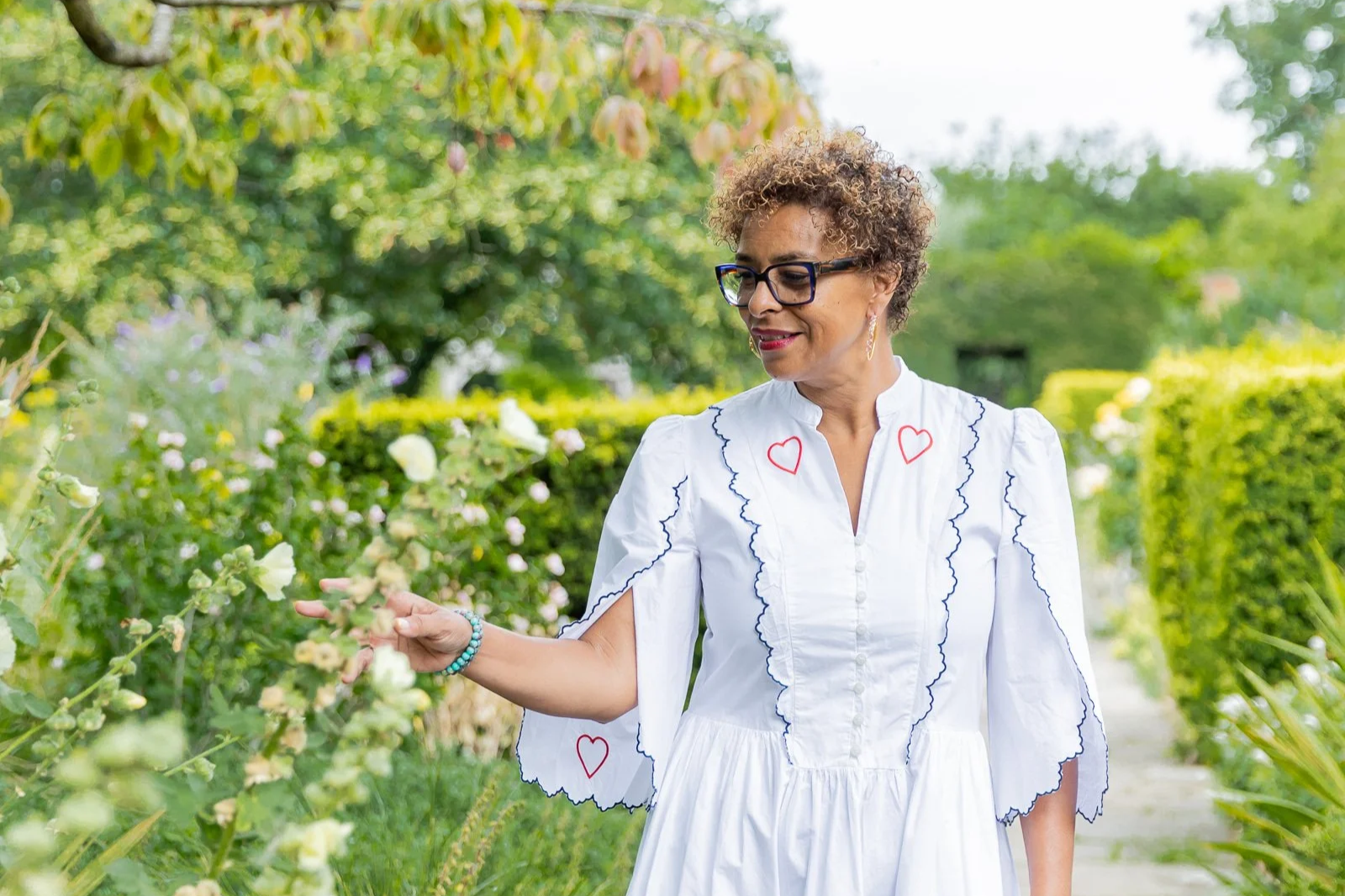
Once upon a time, someone wrote the rules for midlife.
I'd like to know who.
Because the stories we've inherited about this stage of life are remarkably consistent. That opportunities narrow. That restlessness means something is wrong. That if you didn't do something by now, you probably won't. That by midlife, life is somehow winding down.
And perhaps most pervasive of all - that if you're questioning what's next, you must be having some kind of crisis.
I hear these stories often. Not from women who've given up, but from women who are accomplished, curious, and very much alive to the possibility that something more is available to them. They say things like:
I think I've probably left it too late.
I should be grateful for what I have.
Maybe this is just what this stage feels like.
These aren't truths. They're inherited stories. Passed down through families, through culture, through decades of messaging about what it means to be a woman of a certain age. And they're remarkably hard to shake - even when we know better.
What the research actually says about midlife
The evidence tells a different story.
Many people report becoming happier as they age. Purpose continues to matter - often more, not less. The concept of the midlife crisis as a universal experience has been repeatedly questioned by psychologists who find little evidence for it as a fixed developmental stage.
One idea has stayed with me: the stories we tell ourselves about ageing can become self-fulfilling. If we stop expecting growth, creativity, possibility - perhaps we stop noticing them when they arrive.
Which raises an uncomfortable question.
What if the discomfort many women feel at this stage isn't a sign that something has gone wrong - but a sign that something is asking to change?
My own midlife transition
I turned 62 this year. It has been two years since I stepped away from a role that had been a huge part of my identity. Not because I had a big reinvention plan. Not because I knew what came next. But because something in me was asking for space.
Before that, I'd spent two decades in PR, then retrained as a coach, then became the CEO of a boutique coaching company. On paper, a successful trajectory. And yet.
Somewhere along the way, I had drifted from the work I was actually placed on earth to do - which is to work directly with people. Not to sit in business meetings.
The retreat in Jamaica where I finally admitted this to myself was one of the things that helped me see more clearly what what I knew on one level. I needed to step out and away long enough to hear something more honest.
And from there, The Third Chapter began.
What midlife transition actually looks like
The women I work with are not falling apart. They're recalibrating.
Asking harder, more honest questions about what they actually want - not what they were told to want, not what made sense ten years ago, but what matters now.
Sometimes that restlessness arrives as anticipation. Sometimes as grief. Sometimes simply as a feeling that a different conversation is beginning. Not because what they have isn't enough. But because dreams change. What mattered at 32 may not be what matters at 62. And "more" doesn't necessarily mean bigger.
Perhaps it means more freedom. More creativity. More meaning. More of what is true for you now.
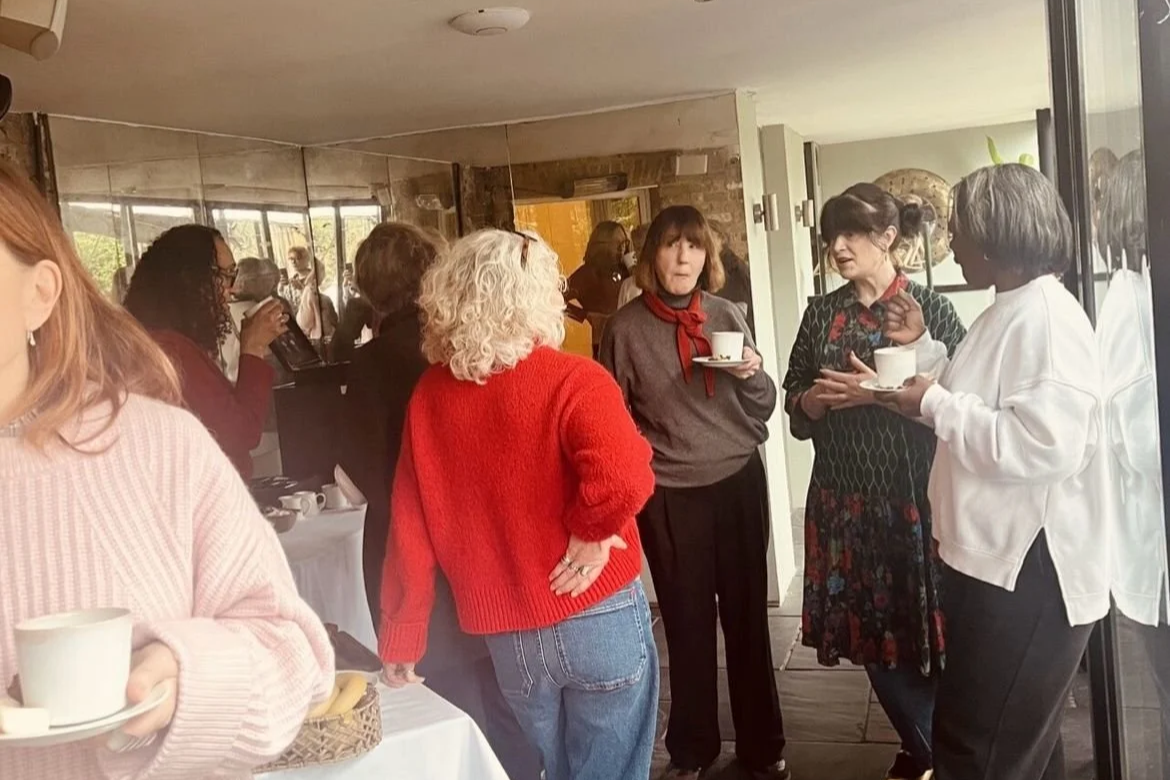
What becomes possible: a real example
One woman who attended a Third Chapter Immersive arrived carrying something she hadn't let herself acknowledge. She was successful, credible, known for her work - but underneath the identity she had built and held tightly for years, something else had been waiting.
She left with a decision she'd been avoiding for a long time.
Natalie Lue - author, podcaster, and creator of The Baggage Reclaim Sessions - has since spoken about her experience publicly, on her own Instagram and on two podcasts. She described waking up the morning after the Immersive feeling genuinely excited for the first time in a long time.
"My commitment," she said, "has brought me a great deal of joy."
That's not reinvention. That's reclamation.
And it's what I see, in different forms, again and again in the women I work with.
Some are happily downsizing and finding that less is genuinely more. Some are taking on the most ambitious work of their lives - NED positions, directorships, legacy businesses. Some are leaving corporate careers to work independently, on their own terms, finally. Some are simply learning to live without the constant low hum of anxiety about what's next.
What they share isn't a destination. It's a decision. To stop waiting for permission. To question the stories they've been handed. To ask - seriously, honestly, without apology:
What might still be possible, for me?
That question, I've found, is where things start to shift.
Starting your own midlife transition
If any of this is resonating - if something is shifting for you and you're not yet sure what it means - you don't have to have the answer before you begin.
You just need to be willing to ask the question.
The Third Chapter offers one to one coaching and one day immersives for women navigating this stage of life. And inside organisations, facilitated conversations for mixed gender groups exploring what midlife means for their people.
If you'd like to find out more, I'd love to have a conversation. Just get in touch.
Feeling Lost in Midlife? Why Rushing Your Next Step Doesn’t Help
Feeling lost in midlife? Whether your transition is chosen or unexpected, rushing your next step rarely helps. Here’s how to find clarity when you don’t know what’s next.
There’s a point in many midlife transitions where something no longer fits - but what comes next isn’t yet clear.
I see this often in the women I work with.
Sometimes it’s a conscious decision.
They’ve reached a point where they know they want something different. A role, a pace, a way of working - or a version of themselves - no longer feels right.
And sometimes it isn’t.
A redundancy they didn’t expect.
A relationship ending.
A shift in circumstances that changes things overnight.
Different starting points.
But the experience that follows is often similar.
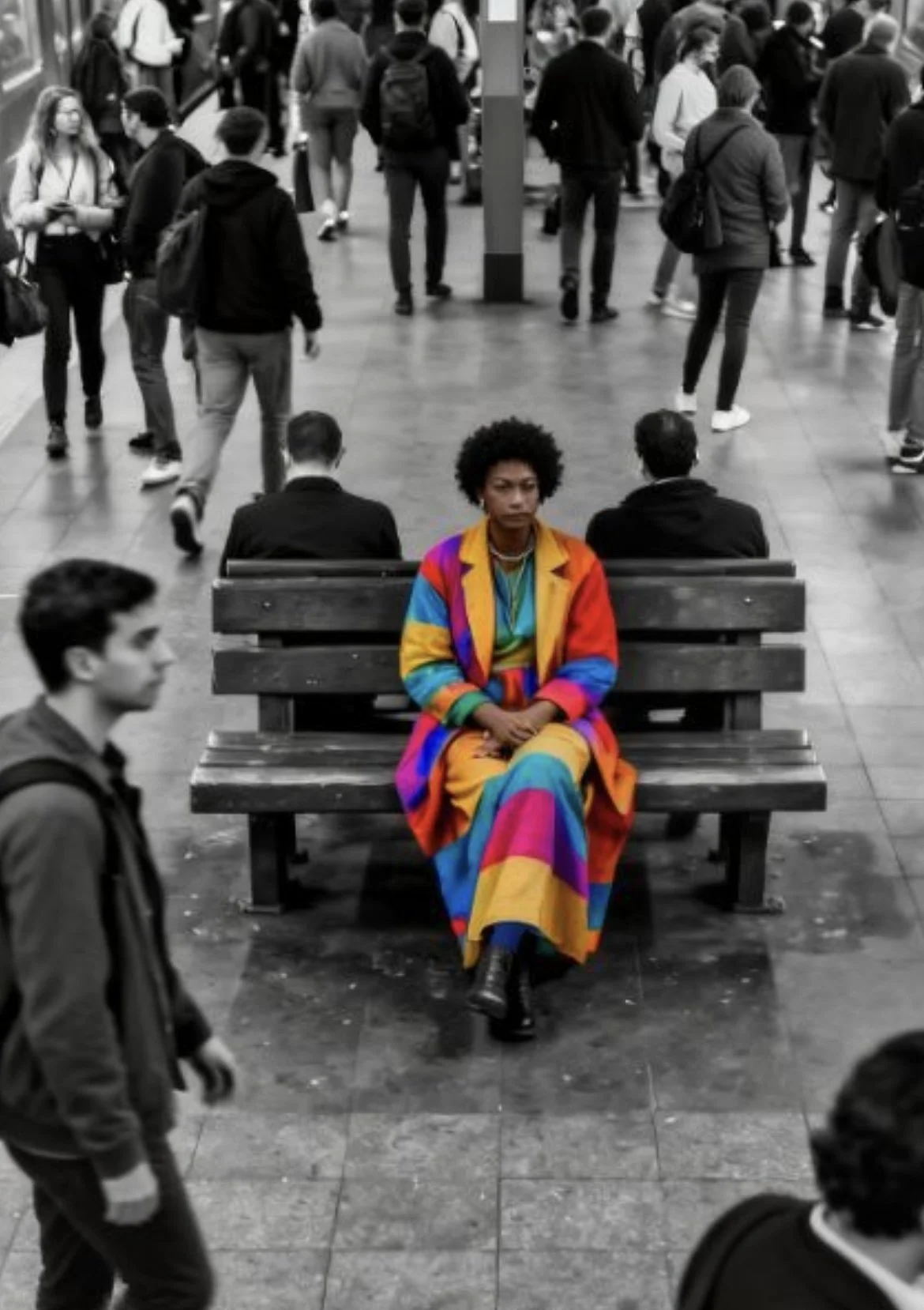
A sense that you’re no longer where you were - but not yet clear on where you’re going.
Why midlife transitions can feel so pressured
Whether the change is chosen or not, the pressure to figure things out can build fast.
There’s an internal urgency:
I need to decide what’s next.
And sometimes an external one:
Financial commitments, expectations, and a wider economic climate that doesn’t leave much room for uncertainty.
So the instinct is to move quickly.
To resolve it.
To get back to something solid.
Why rushing a career or life transition doesn’t work
A couple of years ago, I left a job without knowing what I wanted to do next. Just that I was done with where I was.
There was no plan waiting. No clear direction.
And it wasn’t about finding another role.
It was about something more fundamental - working out what I actually wanted.
What I noticed very quickly was the instinct to move.
But that wasn’t what helped.
In that space, I became very aware of the noise in my own head - the voices telling me what I should be doing, how I should have it figured out by now.
I call them mind squatters.
They take up space, they’re loud, and they don’t pay rent.
Part of that time wasn’t about finding the answer straight away.
It was about sitting with the not knowing - long enough to clear some of that noise.
Long enough to start hearing something more honest.
And from there, things began to take shape.
Not all at once.
But step by step.
What actually helps when you feel lost in midlife
The simplest way I can describe it is this:
It’s like being in the woods.
When you can’t see clearly, moving faster rarely helps. You lose your bearings.
What helps is stopping.
Not ignoring reality. Not stepping away from what needs to be dealt with.
But creating enough space - even briefly - to see what’s actually there.
Because without that, you’re making decisions from pressure, not clarity.
Acceptance in midlife transitions: not failure, but a starting point
This is the part many people resist.
Acceptance.
Not as resignation.
Not as settling.
And not as giving up on what you want.
But as a willingness to acknowledge where you are - whether you chose it or not.
That might mean recognising:
I’ve outgrown this
I didn’t expect to be here
There are constraints I need to work within
Acceptance doesn’t remove the complexity.
But it changes how you meet it.
It’s the point where you stop fighting the situation you’re in - and start working with it.
You don’t need the full answer to move forward
In uncertain conditions - personally and economically - there’s often a desire to get everything decided before moving.
But that’s rarely how it works.
You see something small.
You take a step.
That step shows you something new.
And from there, the next step becomes clearer.
Not a perfect plan.
But a direction that’s grounded in where you actually are.
What to do if you don’t know what’s next
If something has shifted - by choice or not - and the path ahead isn’t fully clear - it doesn’t mean you’re stuck.
It doesn’t mean you’ve got it wrong.
It means you’re in a moment where things are still forming.
And while that can feel uncomfortable, especially with real-world pressures, it’s also where new direction starts to take shape.
A more useful question to ask yourself
Instead of asking:
“What should I do next?”
Try asking:
“Given where I am right now, what’s one step that makes sense?”
Not perfect.
Not long-term.
Just real.
If this resonates
This is the space I work in with clients navigating midlife career and life transitions.
Not to rush you to quick-fix answers - but to help you stay with what’s changing long enough
to understand what it’s asking of you.
Because that’s where real clarity comes from.
And from there, the next step has somewhere solid to land.

In Dark Times, What Does It Mean to Awaken?
In Uncertain Times, What Does It Mean to Awaken?
In dark and destabilising times, is it indulgent to focus on your own midlife growth?
Or is it exactly what the moment requires?
In dark and destabilising times, is it indulgent to focus on your own growth?
Or is it exactly what the moment requires?
There is a lot happening in the world right now.
War.
Division.
Political instability.
Humanitarian crises that are hard to witness.
And some women in their 50s and 60s and beyond are quietly asking themselves:
Shouldn’t I be focusing on more important things than myself?
It’s an honest question.
But perhaps it rests on a false assumption - that personal growth and responsibility to the world sit on opposite sides.
What if midlife awakening is not withdrawal from the world, but preparation to stand in it more steadily?
The Women Who Chose Light
Recently, I read about a group of Ukrainian women in their 50s and 60s who formed a cheerleading team during the war.
Not for spectacle.
Not as distraction.
But for solidarity.
For strength.
For life.
In the middle of devastation, they chose movement. Community. Energy.
They chose to become light in dark times.
Midlife is often framed as decline - particularly for women.
A fading. A narrowing of relevance.
But what if this chapter is not about retreating?
What if it is about becoming steadier, clearer, and more intentional?
Midlife Awakening Is Not Reinvention
When people hear “midlife awakening,” they often imagine dramatic change.
A new career.
A bold reinvention.
A public transformation story.
But real personal growth in midlife is less theatrical - and more powerful.
It is developmental.
By our 50s and 60s, we have lived enough to know:
Striving does not equal meaning.
Noise does not equal power.
Appearance does not equal identity.
Awakening at this stage is not about becoming someone new.
It is about becoming more fully yourself.
It is the process of separating:
• Identity from image
• Worth from youth
• Purpose from productivity
• Strength from performance
And that kind of clarity does not make you self-absorbed.
It makes you grounded.
Is Personal Growth Selfish in Uncertain Times?
Many midlife women carry responsibility heavily.
They have led teams.
Raised children.
Supported partners.
Cared for parents.
Held organisations together.
When the world feels unstable, their instinct is not to turn inward.
It is to hold more.
But a woman disconnected from herself cannot sustainably hold others.
Personal growth during uncertain times is not indulgence.
It is recalibration.
It is resilience-building.
When you pause to ask:
• What matters now?
• Who am I becoming?
• What am I no longer available for?
You are not abandoning the world.
You are strengthening your relationship to it.
Midlife is a psychological transition. Research on adult development shows that this phase often involves integration — bringing together identity, experience and values into something more coherent.
And coherence matters.
Because coherent women make steady leaders.
Steady partners.
Steady mothers.
Steady friends.
Steady self-leaders.
The world needs steadiness.
Midlife Is a Developmental Deepening
We tend to associate growth with youth.
But midlife is not the end of development. It is a phase of integration.
We begin to:
• Re-evaluate long-held roles
• Question identities built around service or performance
• Reclaim neglected parts of ourselves
• Shift from ambition to alignment
This is not crisis.
It is maturation.
And maturation is powerful because it is deliberate.
When women in their 50s and 60s+ awaken not in rebellion, but in clarity - something shifts.
They stop performing for approval.
They stop competing for relevance.
They start choosing with intention.
That kind of woman does not destabilise the world.
She stabilises it.
Becoming the Light
The Ukrainian cheerleaders are not naïve.
They are living through devastation.
But they understand something essential:
Light is not the absence of darkness. It is the decision to move anyway.
Midlife awakening works the same way.
It does not deny ageing.
It does not deny grief.
It does not deny global instability.
It asks a different question:
Given everything, who do I choose to be now?
That question is not selfish.
It is courageous.
Because choosing yourself at this stage is not about ego.
It is about responsibility.
Responsibility for how you show up.
For what you model.
For how you lead.
For what you tolerate.
For what you create.
Shrinking is understandable in uncertain times.
But it is not the only option.
If You Are in This Season
If you are in your 50s or 60s+ and feeling:
• A restlessness you can’t quite name
• A sense that “this isn’t it” but no clear map
• A desire for depth rather than more achievement
• A pull toward something more aligned
You are not behind.
You are not ungrateful.
You are not late.
You are developing.
And development at this stage is not about speed.
It is about honesty.
Midlife awakening is not about becoming visible for the sake of it.
It is about becoming internally aligned.
Because when you are aligned, you don’t need to fight for space.
You occupy it.
In Dark Times, Awakening Is Necessary
The world does not need midlife women disappearing.
It needs women who:
• Know who they are
• Trust their judgement
• Are no longer performing
• Have integrated experience into wisdom
Awakening in uncertain times is not retreat.
It is preparation.
Preparation to lead differently.
To relate differently.
To choose differently.
To become the light - steadily.
And perhaps that is what this chapter is really for.
If This Resonates
If you’re navigating a midlife transition and want space to reflect, clarify what matters now, and step forward with confidence, the next Third Chapter One-Day Immersive takes place on April 12th, 2026.
It’s a day designed for midlife women who are ready to deepen self insight and who want a warm and thoughtful, expert-guided space to explore what’s next.
You can find out more about the The Third Chapter Immersive events here, or send me an email if you would like further details.

A business question that became something else
Recently, a mentor asked me a straightforward question about my business:
“Who are you trying to impress?”
It wasn’t meant to be philosophical.
It was a practical question about positioning, audience, and direction.
But it landed more deeply than expected.
Because for the first time, my honest answer surprised me.
No one but myself.
That doesn’t mean I don’t care about being relatable or understood - especially in my work.
It means I’m focused on showing up in ways that create connection and clarity, rather than approval.
That distinction matters.
Visibility in midlife: from performance to presence
For much of adult life, visibility is closely tied to performance.
Being seen as capable.
Credible.
Successful by someone else’s definition.
Visibility often means staying legible to systems, markets, or expectations that reward constant output and upward momentum.
In midlife, that contract can start to fray.
What once felt motivating can begin to feel effortful.
What once felt expansive can start to feel misaligned.
The question quietly changes from:
“How do I stay visible?”
to:
“Where - and how - do I actually want to be seen now?”
This isn’t about retreat or disappearing.
It’s about discernment.
Relevance in midlife: to whom, and for what?
Relevance is often framed as something we must maintain or defend - especially as we get older.
But relevance is contextual.
It depends on values, audience, and purpose.
Midlife can surface an uncomfortable truth: some measures of relevance were never designed with women - or longevity - in mind.
So instead of contorting ourselves to fit outdated expectations, a different question becomes more useful:
What do I want to be relevant to now?
What kind of work feels worthy of my experience and energy?
Relevance stops being about external validation and starts becoming about internal alignment.
Learning in midlife: beyond keeping up
Learning doesn’t stop in midlife - but the motivation behind it often changes.
There is learning driven by fear:
keeping up, staying employable, not being left behind.
And there is another kind of learning - one rooted in curiosity, agency, and self-trust.
Midlife learning often includes:
• understanding your own patterns and limits
• clarifying what energises you - and what drains you
• integrating lived experience into how you work and lead
This kind of learning isn’t about accumulation.
It’s about integration.
It’s less What else do I need to add?
And more What do I already know - and trust - now?
The audience of one
That mentor’s question revealed something simple but profound.
For many women, midlife is when the invisible audience begins to leave the room - the one made up of bosses, markets, peers, family expectations, and internalised ideas of success.
When that audience changes, everything changes:
• how we show up
• what we learn
• what we build
• what we say yes - and no - to
Choosing to work for an audience of one isn’t about shrinking ambition.
It’s about grounding it.
From proving to choosing
Midlife isn’t about becoming less relevant.
It’s about becoming more selective.
About choosing where to place your energy, experience, and attention - and trusting that this discernment is a strength, not a risk.
Moving from proving to choosing doesn’t shrink your world.
It clarifies it.
And that clarity has a quiet power of its own.

Finding Clarity in Midlife | What to Do When You Don’t Know What’s Next
Feeling uncertain in midlife? This reflective article explores why clarity takes time - and how paying attention, not forcing answers, helps you find your way forward.
There comes a point in midlife when many women realise something doesn’t feel quite right anymore.
From the outside, life may look fine. Work is established. Life is full. Responsibilities are being met.
Yet internally, there’s a sense of fog.
Not a crisis exactly - more a quiet question that won’t go away:
What now?
Why So Many Women Feel Unclear in Midlife
Midlife is often described as a time of confidence and self-knowledge. So when clarity doesn’t arrive on schedule, women can feel something is wrong with them.
They tell themselves they should:
• Know what they want by now
• Feel grateful, not restless
• Have a clear plan for what’s next
Instead, many feel uncertain, flat, or disconnected from the things that once motivated them.
This isn’t failure.
It’s a transition - one that doesn’t begin with answers.
Clarity Is Not a One-Off Insight
One of the biggest misconceptions about midlife is that clarity comes before change.
That if you could think your way to an answer - reflect in isolation, or land on the right question - the next chapter would neatly reveal itself.
In reality, clarity rarely arrives fully formed.
It develops through spacious reflection - over time, in the body, and in relationship with what’s actually happening in your life.
You’re still living.
Still working.
Still caring, contributing, showing up.
And underneath, something is reorganising.
When Reflection Is Working (Even If It Doesn’t Feel Like It)
Many women worry they’re “going round in circles”.
But reflection doesn’t always feel productive in the moment.
Often, it shows up as:
• Heightened sensitivity to what drains you
• Less tolerance for misalignment
• A pull toward different conversations or environments
• A growing desire for meaning rather than momentum
These are not signs of being stuck.
They are signs that your inner compass is recalibrating.
The Pressure to Decide Can Mute Clarity
Clarity struggles under pressure.
When reflection is rushed toward outcomes - What should I do? What’s the plan? - it often bypasses the deeper work trying to happen.
Midlife asks for a different kind of listening.
Not urgency.
Not self-judgement.
But attention.
This is where clarity begins to take shape - quietly, steadily, honestly.
Midlife as Reorientation, Not Reinvention
Midlife is often framed as a moment to reinvent yourself.
But for many women, it’s more accurately a reorientation.
A shift away from inherited definitions of success.
A movement toward what feels true now - not what once worked.
This process can’t be rushed.
And it doesn’t require abandoning who you’ve been.
It asks you to stay with yourself as something new forms.
Letting Clarity Emerge
Rather than asking for immediate answers, midlife invites better questions.
Questions that create space instead of pressure:
• What feels less tolerable than it used to?
• What am I no longer willing to override?
• What keeps returning to my attention?
These questions don’t deliver instant clarity.
They build discernment.
And discernment is what allows clarity to arrive in its own time.
A Quiet Moment for You
You don’t need a finished plan.
You don’t need to know exactly where this is going.
But this question may be worth sitting with:
What is already shifting in me - even if I can’t name it yet?
Often, the next chapter doesn’t begin with a decision. It begins with staying present to what’s unfolding.

Endings Don’t Have to Be Perfect to Be Meaningful
As the year draws to a close, I’ve been thinking about endings - and how rarely they’re perfect.
Maybe you’re arriving at December with things left undone.
Ideas that didn’t land. Conversations you didn’t have. Changes that didn’t happen.
Or maybe you’re just tired - not in crisis, just in need of a pause.
We often rush to assess the year in wins and losses: what got ticked off, what didn’t.
But beneath all that, something else matters more.
Who Are You Now?
Not “what did you achieve?”
Not “did you keep up?”
But:
Who are you now, that you weren’t at the start of the year?
What have you seen more clearly?
What have you stopped tolerating?
What have you quietly reclaimed?
These are the shifts that matter.
The ones that don’t always announce themselves, but slowly reshape the way you move through the world.
The Invisible Work
At The Third Chapter, we honour those kinds of changes.
The ones that don’t make headlines - but make space.
The ones that don’t look dramatic - but feel honest.
The ones that shape what comes next, even before you’ve named it.
So if you’re sitting with a mix of feelings - pride, regret, progress, uncertainty - you’re not alone.
You’re not behind.
You’re in the quiet middle.
And that’s a powerful place to be.
A Gentle Invitation
If you’re looking for a moment to pause and reconnect before the new year begins, I’ve created something that might meet you there.
It’s Your Turn is a short, reflective guide for women ready to realign - not reinvent.
There are no goals. No deadlines.
Just five thoughtful prompts, a few quiet truths, and space to hear what’s ready to be heard.
You can download your copy here: It’s Your Turn Reflective Guide.
A Softer Close
You don’t have to rush clarity.
You don’t have to finish strong.
You’re allowed to end this year gently.
With a little stillness.
A small smile of recognition.
And a quiet, joyful knowing:
You’ve already begun.
Why 50+ Is the Perfect Age to Realign, Not Retire
For years, we’ve been told that midlife is a time to slow down - to consolidate, to ease back, to prepare for what’s next.
But for so many of the women I meet through The Third Chapter, this stage isn’t about winding down. It’s about waking up.
For years, we’ve been told that midlife is a time to slow down - to consolidate, to ease back, to prepare for what’s next.
But for so many of the women I meet through The Third Chapter, this stage isn’t about winding down. It’s about waking up.
Somewhere in your 50s - or 60s - something shifts.
The pace of life changes, the roles you’ve held start to evolve, and there’s often a quiet question that rises to the surface: What now, What next?
It’s a question that can feel unsettling at first. Especially if your career or identity has been tightly woven together for years. But I see this moment not as an ending - it’s an invitation.
The outdated story: “It’s too late.”
We’ve inherited a powerful cultural script: that after a certain age, our choices narrow. That midlife means decline, not discovery.
But that’s changing - and fast.
Women 50+ are starting businesses, changing direction, mentoring others, studying again, and using their hard-earned experience in completely new ways.
If you’ve been wondering whether it’s too late to make a change, the truth is: this may be the first time you’ve had the freedom, clarity, and courage to do it on your own terms.
The real story: It’s time to realign
Realignment is different from reinvention.
Reinvention suggests starting over - becoming someone else.
Realignment is about becoming more yourself.
At this stage of life, you have a lifetime of knowledge, resilience, and perspective. The work now isn’t to build something new from scratch, but to bring your skills, passions, and wisdom into greater alignment with who you’ve become.
This might look like:
• Shifting from a high-pressure corporate role into purpose-led consulting.
• Blending professional expertise with personal passions.
• Or simply creating more space to live, think, and work in ways that feel congruent with your values. Which could of course mean not working at all.
The quiet transition before the next act
When women come to me for coaching, they’re often standing at a crossroads. They’re successful - but something no longer fits.
The instinct is often to “solve” it quickly: update the CV, look for a new challenge, find the next thing.
But midlife transitions don’t respond well to speed. They need reflection, curiosity, and permission to pause.
Because this stage of life isn’t about what you do next - it’s about who you’re becoming.
At The Third Chapter, that’s exactly what we explore: who you are now, what truly matters, and what kind of life or work will feel right for this next season.
A few questions to reflect on
If you’re feeling the pull to realign, you might start by asking yourself:
• What part of my current life feels out of sync with who I’ve become?
• Where do I feel most alive, curious, or purposeful - and how can I create more of that?
• What would “enough” look like now - in time, meaning, and energy?
Your answers don’t have to be neat or complete. They’re simply a way to begin tuning back in to your own voice.
This is your Third Chapter
Midlife - and beyond - isn’t a point of decline. It’s a point of definition.
A time to gather everything you’ve learned, everything you’ve loved, and everything you still want to explore - and shape it into something that fits.
That’s what I mean by realignment. And why I believe 50+ is not too late, but exactly the right time to begin again - from a place of truth, confidence, and clarity.